Water on the bathroom floor. Here is what to do first, then what we do
A toilet overflow never waits for a good time. It happens right before guests arrive, or at 2 a.m. on a work night.
The first move is simple. Reach behind the toilet and turn the shut-off valve clockwise until it stops. That cuts the water supply and buys you time.
If you cannot reach the valve, take the tank lid off. Look for the flapper, the rubber disc at the bottom of the tank, and press it closed by hand. That stops water from refilling the bowl.
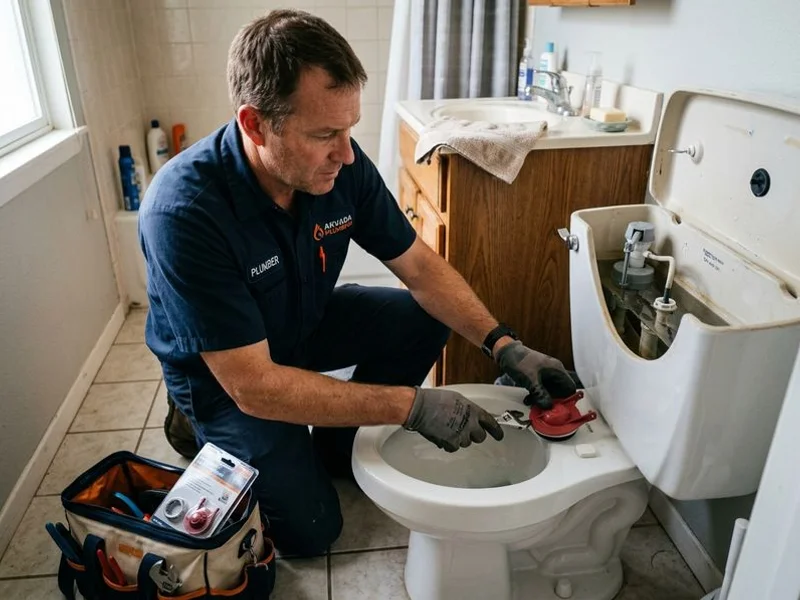
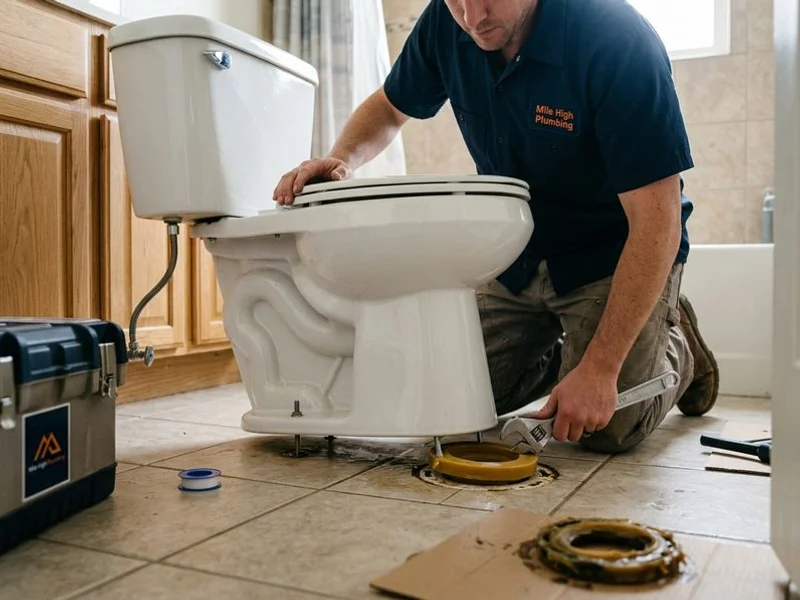
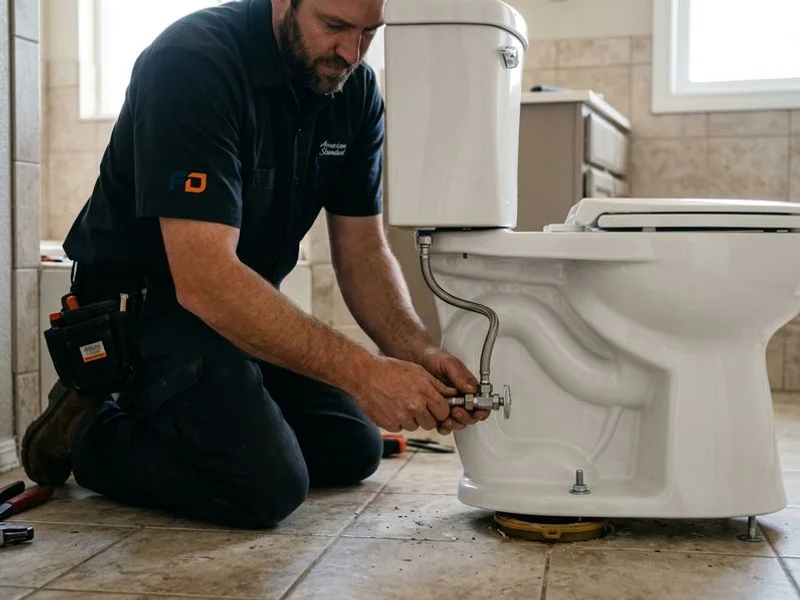
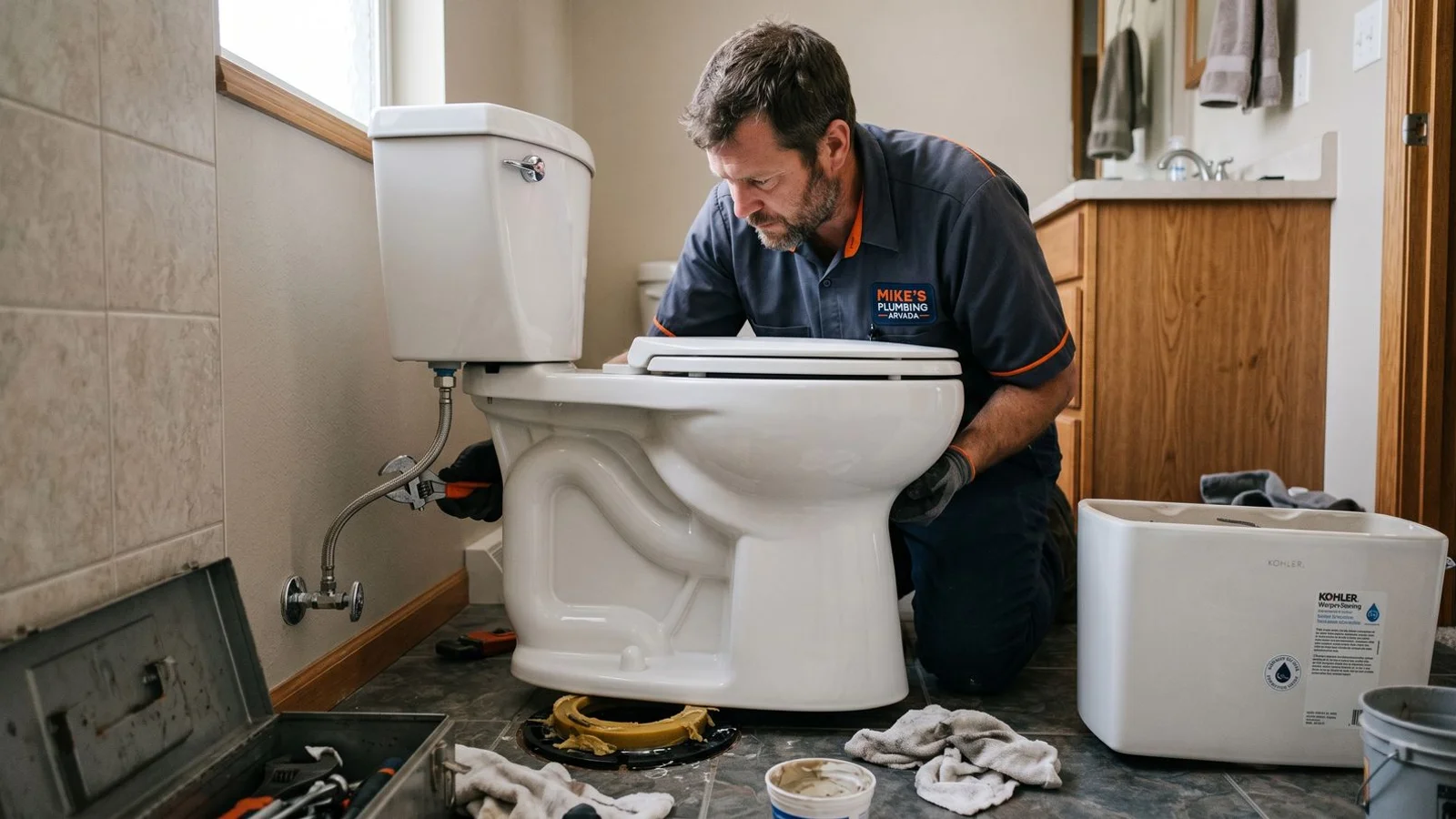
We built Arvada Pro Plumbing to handle overflow calls fast, day or night. Our licensed techs carry the same tools whether the cause is a simple clog or a sewer line backing up behind an older Arvada home.
Older homes in Arvada built before 1970 often still run on vitrified clay sewer pipes. Tree roots love that material, and a root-clogged main line is one of the most common reasons a toilet keeps overflowing even after you plunge it clean.
When to call a plumber instead of grabbing a plunger
A single overflow after too much toilet paper usually clears with a plunger. But some overflows point to a bigger problem underneath your house.
- The toilet overflows every time you flush anywhere else in the house: That points to a main line blockage, not a toilet problem.
- Water backs up into the tub or shower when you flush: Air and waste are pushing back through the whole system.
- The bowl fills but never drains, even after plunging: A deeper obstruction is sitting past the trap.
- Sewage smell lingers after the water is gone: A cracked pipe or dried trap could be letting gas into your home.
- The overflow happens right after heavy rain or snowmelt: Groundwater may be forcing its way into a damaged sewer line.
Sewage water carries bacteria that can make you sick. Wear gloves, avoid bare-hand contact, and keep kids and pets out of the room until it is cleared. The CDC recommends treating any sewage-contaminated surface as a health hazard and cleaning it with hot water and detergent right away.[1]
What we use, and why
A basic toilet clog usually clears with a closet auger, a tool built to snake past the toilet trap without scratching the bowl. That handles most single-fixture overflows in minutes.
When the problem is deeper, in the branch line or the main sewer, we switch to a video camera inspection first. Guessing at a sewer line wastes your money and ours.
| Feature | Closet Auger | Camera Inspection + Jetting |
|---|---|---|
| Best Used For | Single toilet clog, foreign objects | Recurring overflow, main line backup |
| How It Works | Cable reaches past the trap to break the clog | Camera finds the cause, jetting clears roots and scale |
| Typical Time | 15 to 30 minutes | 45 minutes to a few hours |
| Long-Term Result | Clears the immediate blockage | Fixes the root cause so it does not come back |
If your toilet keeps overflowing after you have cleared it more than once, do not just keep plunging. That pattern almost always means the real problem is further down the line, and we will tell you honestly if a camera inspection makes sense before we recommend it.
We test every fixture and flush the line before we leave, so you are not calling us back tomorrow.
[1] CDC — Guidelines for Cleaning Safely After a Disaster
What our Toilet Overflow service includes
- Emergency dispatch for active overflows
- Closet augering to clear the toilet trap
- Camera inspection when clogs keep coming back
- Sewer line diagnosis for root intrusion or collapse
- Cleanup guidance and fixture testing before we leave
Get a Free Quote
Call us now for fast, upfront pricing. No hidden fees.
(720) 807-6616 Or request service online →